Study has found the effectiveness of the HPV against cervical cancer: Basics Explained

The Public Health Scotland (PHS) research study found the effectiveness of the HPV (human papillomavirus virus) vaccine in preventing cervical cancer. No cases of cervical cancer detected in young women who have fully vaccinated as part of the HPV immunisation programme.
LEARNING FROM HOME/ WITHOUT CLASSES/ BASICS
Human Papillomavirus Virus
It a sexually transmitted infection. And responsible for almost all cases of cervical cancer – the fourth most common cause of cancer in women worldwide. It occurs and infects the vaginal area through sexual activity.
Human papillomavirus virus the name given to a common group of viruses.There are more than 100 types of HPV. At least 14 HPV types have identified to have the potential to cause cancer. Among these, HPV types 16 and 18 considered to be the most oncogenic, causing about 70 percent of all cervical cancer cases globally. The HPV vaccine prevent most cases of cervical cancer if the vaccine given before girls or women exposed to the virus. The National Technical Advisory Group for Immunization (NTAGI) has recommended the introduction of the HPV Vaccine in the Universal Immunization Programme (UIP) with a one-time catch-up for 9-14-year-old adolescent girls followed by routine introduction at 9 years.
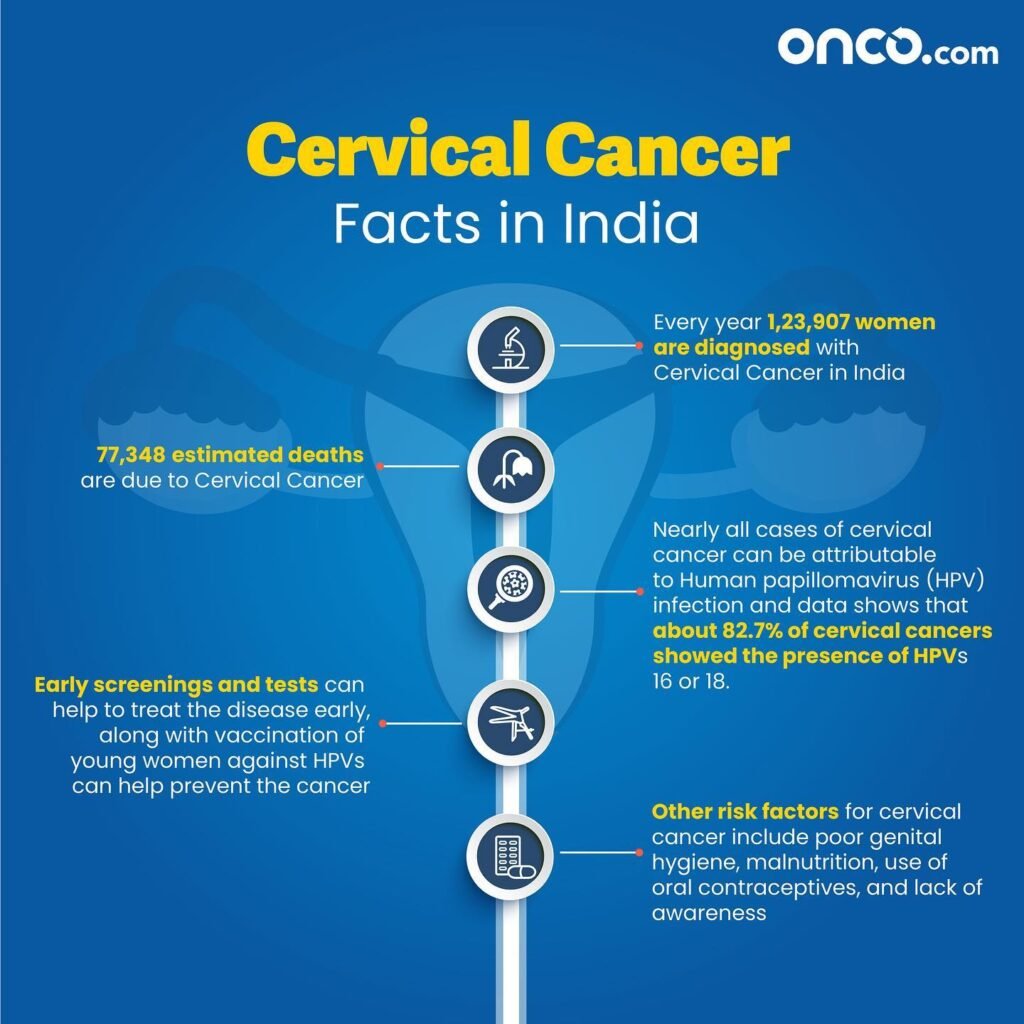
Cervical cancer is the second most common cancer among women between 15 and 44 years of age, in India. On September 1, 2022, the Government of India launched the new indigenous cervical cancer vaccine, Cervavac. In partnership with Serum Institute of India Private Limited.












0 Comments