WHO Classifies JN.1 as a ‘Variant of Interest’

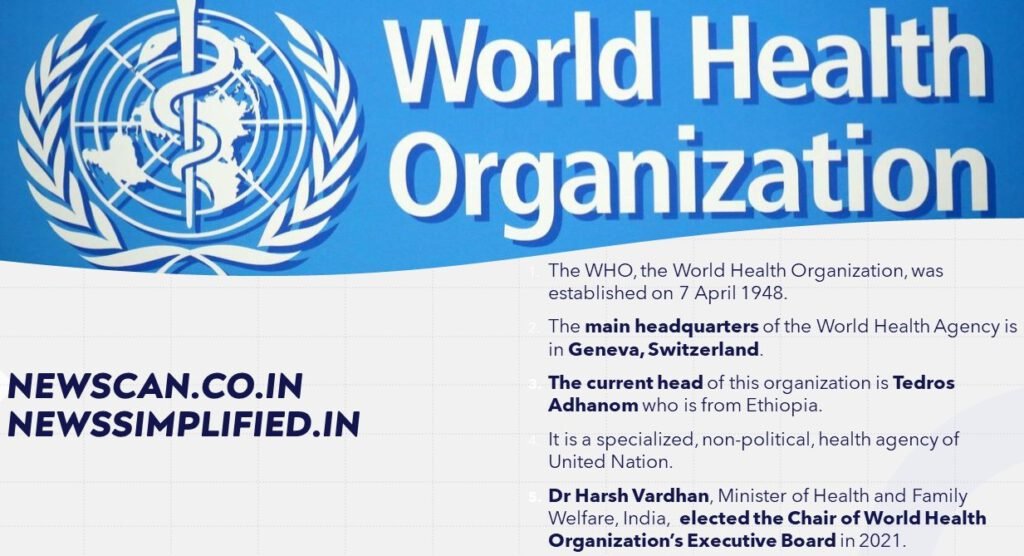
The World Health Organisation (WHO) classified the JN.1 COVID-19 subvariant as a “variant of interest,” separate from its parent variant Omicron BA.2.86. However, WHO also stated that this strain does not pose a significant threat to public health.
LEARNING FROM HOME / WITHOUT CLASSES / BASICS
Viruses constantly change through mutation. As a result, a variant develops when one or more mutations distinguish it from other circulating strains. During the COVID-19 pandemic, scientists have documented multiple variants of SARS-CoV-2 across the world.
Variant of Interest
A variant of interest refers to a strain that scientists suspect may be more contagious than the original virus, cause more severe illness, or partially evade the protection provided by vaccines.
Variant of Concern
In contrast, a variant of concern shows clear evidence of increased transmissibility or more severe disease, such as higher hospitalization or death rates. Additionally, it may significantly reduce the effectiveness of antibodies formed after infection or vaccination. In some cases, such variants also weaken the effectiveness of treatments or vaccines or interfere with diagnostic detection.
Immune System
The immune system consists of specialized organs, cells, and chemicals that protect the body from infection. Together, these components actively fight harmful microbes. The major parts of the immune system include white blood cells, antibodies (immunoglobulins), the complement system, the lymphatic system, the spleen, the thymus, and the bone marrow.
White Blood Cells
White blood cells play a central role in immune defense. They form in the bone marrow and function as part of the lymphatic system. As they circulate through the blood and tissues, they search for foreign invaders such as bacteria, viruses, parasites, and fungi. Once detected, these cells initiate an immune response. White blood cells include lymphocytes such as B-cells and T-cells, along with several other immune cell types.
Antibodies
Antibodies help the body fight microbes by recognizing specific substances called antigens on the surface of pathogens. After binding, antibodies mark these antigens for destruction. Meanwhile, various cells, proteins, and chemicals coordinate to complete the immune attack.
Lymphatic System
The lymphatic system includes:
- Lymph nodes (lymph glands): trap microbes
- Lymph vessels: transport lymph, a clear fluid containing infection-fighting white blood cells
- Lymphocytes: specialized white blood cells involved in immunity
Spleen
The spleen filters blood and removes microbes while destroying old or damaged red blood cells. In addition, it produces key immune components such as antibodies and lymphocytes.
Bone Marrow
Bone marrow is the soft tissue inside bones. It produces red blood cells that carry oxygen, white blood cells that fight infection, and platelets that help blood clot.
Thymus
The thymus monitors blood content and produces T-lymphocytes, which play a critical role in immune defense.
Complement System
The complement system consists of proteins that support and enhance the action of antibodies during immune responses.
Immune Memory
The immune system maintains a record of every microbe it defeats. It stores this information in memory B-cells and T-cells. Therefore, when the same microbe enters the body again, the immune system recognizes it quickly and destroys it before it can multiply and cause illness.
Monoclonal Antibodies
Monoclonal antibodies are laboratory-produced antibodies designed to recognize and bind to specific receptors on the surface of cells. In simple terms, the term monoclonal antibody refers to a man-made antibody produced through controlled synthesis.










0 Comments